
Handwashing Laundry: Overcoming Common Challenges
- Nov 4, 2025
- 4 min read
Updated: Dec 5, 2025
Understanding the Basics of Handwashing
Before diving into specific problems, it's essential to understand the basics of handwashing laundry. Handwashing is typically recommended for delicate fabrics that may be damaged in a washing machine. This method allows for more control over the washing process, ensuring that your garments are treated gently.
However, handwashing requires attention to detail and proper techniques to avoid common pitfalls.
Problem 1: Stubborn Stains
One of the most common issues faced during handwashing is dealing with stubborn stains. Whether it's a food spill, ink mark, or sweat stain, these blemishes can be challenging to remove.
Solution
To tackle stubborn stains, pre-treat the affected area before washing. Use a gentle stain remover or a mixture of water and mild detergent. Apply the solution directly to the stain and let it sit for about 10-15 minutes before rinsing. For tougher stains, consider using a soft brush to gently scrub the area.
Problem 2: Color Bleeding
Color bleeding can be a nightmare, especially when washing new clothes. Dark colors can transfer onto lighter fabrics, ruining your favorite garments.
Solution
To prevent color bleeding, always wash new clothes separately for the first few washes. Additionally, use cold water, as it helps to set the dye in the fabric. If you notice color bleeding during the wash, add a color catcher sheet to absorb excess dye.
Problem 3: Fabric Damage
Certain fabrics, like silk or wool, require special care during handwashing. Improper handling can lead to damage, such as shrinking or stretching.
Solution
Always check the care label on your garments before washing. Use lukewarm water and a gentle detergent specifically designed for delicate fabrics. Avoid wringing or twisting the fabric, as this can cause it to lose its shape. Instead, gently press the water out and lay the item flat to dry.
Problem 4: Odor Retention
Sometimes, even after washing, clothes can retain unpleasant odors. This can be particularly frustrating if you’ve put in the effort to handwash your items.
Solution
To combat odors, add a cup of white vinegar to your rinse water. Vinegar acts as a natural deodorizer and helps to break down any lingering smells. After rinsing, hang your clothes in a well-ventilated area to dry, as fresh air can help eliminate odors.
Problem 5: Inadequate Rinsing
Inadequate rinsing can leave detergent residue on your clothes, leading to skin irritation and a stiff feel.
Solution
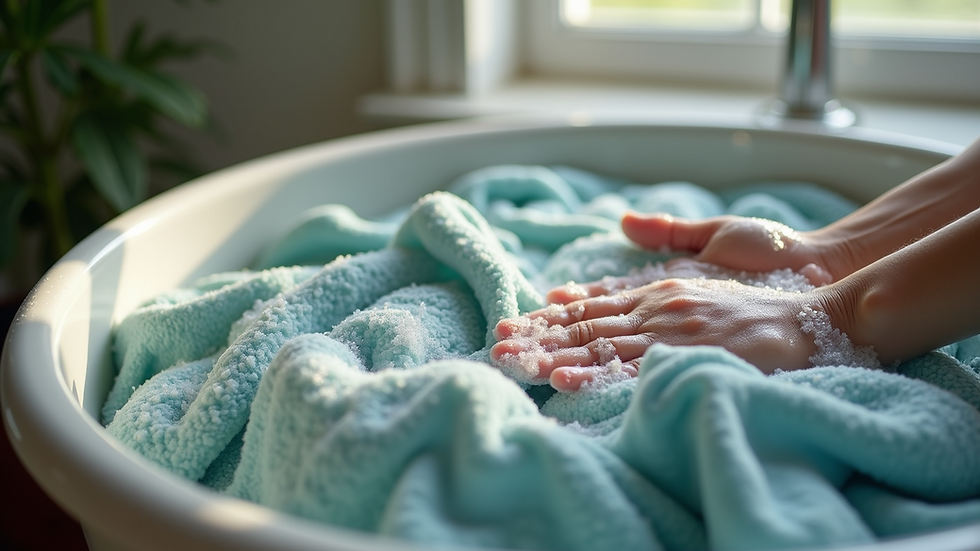
Ensure you rinse your garments thoroughly after washing. Fill a basin with clean water and submerge the clothes, gently agitating them to remove any soap. Repeat this process until the water runs clear, indicating that all detergent has been washed away.
Problem 6: Time Consumption
Handwashing laundry can be time-consuming, especially if you have a large load. This can deter many from opting for this method.
Solution
To save time, consider washing smaller batches of clothes. This allows for more efficient washing and rinsing. Additionally, set a timer for each step of the process to keep yourself on track. You can also multitask by preparing other household chores while your clothes soak.
Problem 7: Water Temperature Confusion
Using the wrong water temperature can lead to various issues, including ineffective cleaning or fabric damage.
Solution
Always refer to the care label for guidance on water temperature. Generally, cold water is suitable for most fabrics, while warm water can be used for heavily soiled items. Avoid hot water for delicate fabrics, as it can cause shrinkage and damage.
Problem 8: Drying Dilemmas
After handwashing, drying your clothes can present its own set of challenges. Improper drying can lead to mildew or an unpleasant smell.
Solution
To dry your handwashed items, avoid direct sunlight, which can fade colors. Instead, lay them flat on a clean, dry towel or hang them in a shaded area. Ensure there is good airflow to facilitate drying and prevent mildew growth.
Additional Tips for Successful Handwashing
Choosing the Right Detergent
Selecting the right detergent is crucial for effective handwashing. Look for a mild detergent that is specifically designed for delicate fabrics. This will help protect your clothes while ensuring they are clean.
Organizing Your Laundry Space
Create a dedicated space for handwashing your clothes. Having a clean, organized area can make the process more enjoyable. Keep all your supplies, such as detergent, stain removers, and drying racks, within reach.
Practicing Patience
Handwashing requires time and patience. Don’t rush through the process. Take your time to ensure that each step is done correctly. This will lead to better results and prolong the life of your garments.
Conclusion
Handwashing laundry may seem daunting, but with the right knowledge and techniques, you can overcome common problems and enjoy clean, fresh clothes. By addressing issues like stubborn stains, color bleeding, and fabric care, you can ensure that your handwashing experience is both effective and satisfying.
Remember to be patient and attentive to your garments, and soon you'll find that handwashing can be a simple and rewarding process.
If you're looking for a convenient and hassle-free laundry service, consider exploring options that can make your daily chores easier. Happy washing!


Comments